Policy moves weekly. Know before you file.
Policy updates, pathway guides and draw analysis for people planning a move to Canada.
 Updates & Policy
End of Student Direct Stream and Nigeria Student Express: What it Means for Prospective Students
With the end of the Student Direct Stream and Nigeria Student Express, Canada reshapes its approach to international study permits. Learn how this change affects current and future applicants, and what remains constant in the study permit application process.
 Updates & Policy
Expired Refugee Protection Claimant Documents: New Changes Beyond April 2025
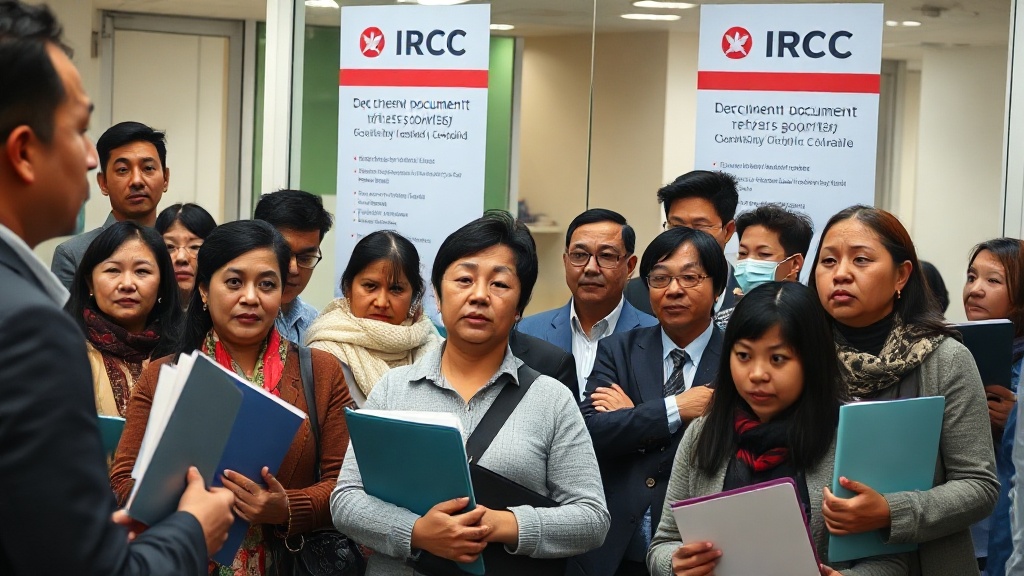
As of April 1, 2025, expired Refugee Protection Claimant Documents (RPCDs) will no longer be valid. This impacts asylum seekers who need these documents to access essential services. Learn how to apply for renewals using IRCC's updated web form process.
 Updates & Policy
Canada Expands Visa Application Centres in Mexico: Enhancing Biometric Services
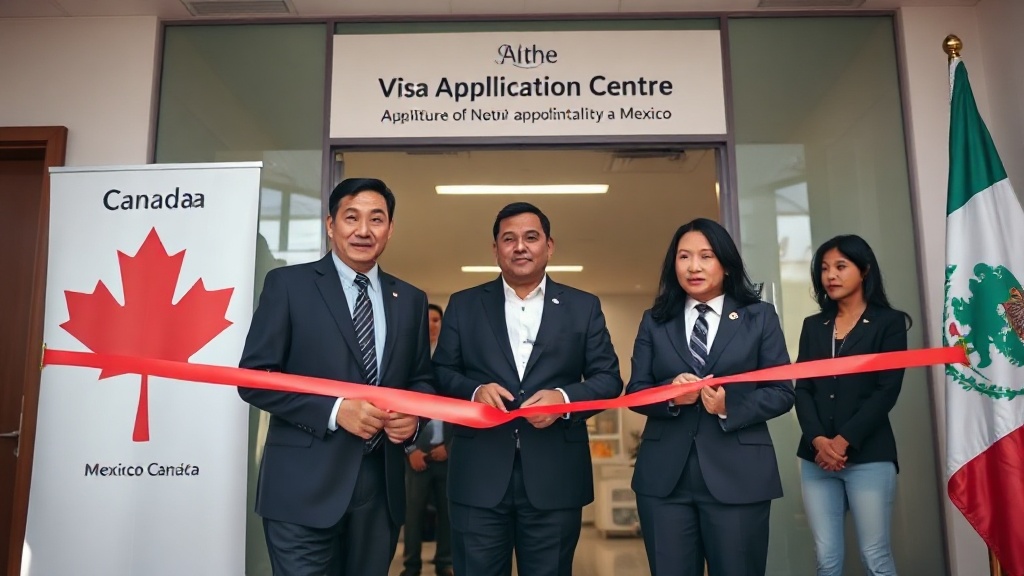
Canada is strengthening its immigration services by opening three new Visa Application Centres in Mexico's largest cities—Mexico City, Monterrey, and Guadalajara. These additions aim to make biometric data collection more accessible for Mexican nationals planning to travel to Canada, thus enhancing the convenience and efficiency of the application process while maintaining strong ties between the two countries.
 Updates & Policy
IRCC Unveils Advanced Analytics to Fast-Track Spousal Sponsorship Applications
The IRCC has announced an expansion of its advanced analytics tools for processing spousal and partner applications under the family class. By automating routine approval steps, the new tools promise faster reunification for families while adhering to privacy and ethics guidelines. This article explores the balance between efficiency gains and ethical oversight.
 Updates & Policy
Canada Advances Adult Passport Renewals with Automation Technology
In an innovative move, the Government of Canada has introduced automation to streamline adult passport renewal applications. The automation technology, serving as an add-on tool, ensures applications are efficiently processed while retaining human oversight for exceptions and rejections. This initiative ensures passport renewals meet service standards even during high demand periods, without replacing the critical role of passport officers.
 Updates & Policy
Canada Designates New ECA Organization for Architects Applying for Immigration
Immigration, Refugees and Citizenship Canada has designated the Canadian Architectural Certification Board as a new educational credential assessment organization for architects. This move, effective May 20, 2024, helps align foreign qualifications with Canadian standards and plays a crucial role in the licensing process for architectural professionals.
 Updates & Policy
Upcoming Increase in Canadian Permanent Residence Application Fees Effective April 2024
On April 30, 2024, Canada will implement new fee structures for permanent residence applications. This routine update reflects an adjustment for inflation and program delivery costs. The increases affect various immigration programs including economic, humanitarian, and family reunification classes. Understanding these changes is vital for applicants planning submissions around this date.
 Updates & Policy
New Restrictions on Post-Graduation Work Permits for Public-Private College Students
The IRCC recently updated its policy regarding post-graduation work permits for international students enrolled in public-private partnership college programs. Effective May 15, 2024, these students will no longer be eligible for post-graduation work permits. The article explores the implications of this change and discusses alternative work permit options for graduates.
 Updates & Policy
Canada's Temporary Policy to Expedite H-1B Work Permit Processing
The IRCC's new temporary public policy aims to streamline the H-1B work permit process in Canada, allowing select family members and previously capped applicants to progress their applications. Additionally, it waives study permit processing fees for minor children of H-1B holders. This decision enhances support for highly skilled immigrants advancing Canada's tech and professional workforce.