
Back to Blog
UPDATES POLICYMarch 22, 20243 min read

New Restrictions on Post-Graduation Work Permits for Public-Private College Students

The IRCC recently updated its policy regarding post-graduation work permits for international students enrolled in public-private partnership college programs. Effective May 15, 2024, these students will no longer be eligible for post-graduation work permits. The article explores the implications of this change and discusses alternative work permit options for graduates.

New Restrictions on Post-Graduation Work Permits for Public-Private College Students
V

Need personalized help? Skip the research and connect directly with a licensed RCIC expert on Verixa. Find your consultant →

Direct Answer

International students enrolled in public-private college partnership programs in Canada will not be eligible for post-graduation work permits if they start their programs on or after May 15, 2024.

Impact of New Restrictions on Post-Graduation Work Permits

On March 22, 2024, Immigration, Refugees and Citizenship Canada (IRCC) confirmed a significant adjustment to the eligibility criteria for post-graduation work permits (PGWPs). Effective from May 15, 2024, students commencing in programs delivered through public-private college partnerships will no longer qualify for PGWPs upon graduation.

Verixa Intelligence Analysis: The recent IRCC policy update is a crucial shift in Canada's approach towards integrating international students into the labor market. By excluding students from public-private colleges from PGWP eligibility, the IRCC aims to streamline visa opportunities, possibly in response to labor market demands or abuses within certain educational frameworks.

Affected students may face a dramatic decrease in post-graduation employment prospects, which could deter future international applicants, potentially impacting Canada’s cultural and economic diversity. Nonetheless, avenues remain open for graduates, specifically through employer-backed work permits, particularly in industries with identified labor shortages.

It's essential for educational stakeholders and policymakers to address and adapt to these changes by enhancing collaboration with the private sector to offer viable employment solutions.

Note: This analysis is for strategic guidance and does not constitute legal advice.
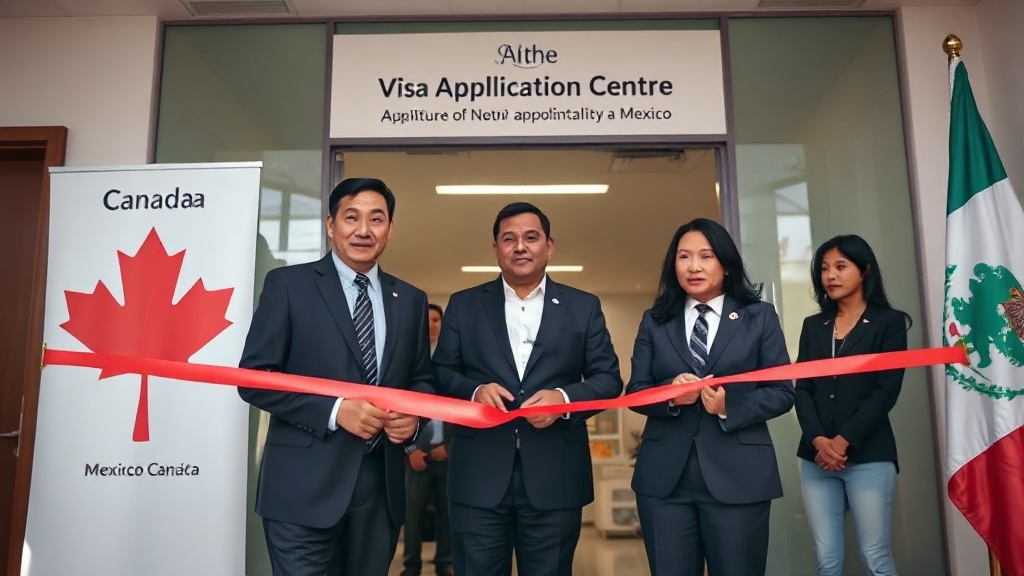
Canada Expands Visa Application Centres in Mexico: Enhancing Biometric Services
Related Insight

Canada Expands Visa Application Centres in Mexico: Enhancing Biometric Services

Canada is strengthening its immigration services by opening three new Visa Application Centres in Mexico's largest cities—Mexico City, Monterrey, and Guadalajara. These additions aim to make biometric data collection more accessible for Mexican nationals planning to travel to Canada, thus enhancing the convenience and efficiency of the application process while maintaining strong ties between the two countries.

Continue Reading

Alternative Work Permit Options

Despite these new restrictions, graduates from public-private partnerships are advised to explore alternative pathways. Work permits supported by a positive Labor Market Impact Assessment (LMIA) can still offer opportunities, especially in sectors experiencing shortages.

PathwayEligibility CriteriaRemarks
Employer-Sponsored Work PermitLMIA RequiredSuited for high-demand occupations
Provincial Nominee Programs (PNPs)Varies by ProvinceMay offer specific streams for international graduates
Other Temporary PermitsVariesConsider open work permits if applicable

An international student stands outside a Canadian college, looking at university announcements on a notice board. The setting is a bustling campus with diverse students walking by, reflecting a culturally rich academic environment.

Designated Learning Institutions and Eligibility

The IRCC maintains an updated list of designated learning institutions (DLIs) indicating PGWP eligibility. It's crucial for prospective international students to consult this list before enrolling to ensure their future eligibility for work permits in Canada.

Take your immigration plans to the next level with professional guidance. Book a session with an RCIC on Verixa today.


This intelligence briefing was automatically generated. The original press release was published on 2024-03-22 by IRCC Notices and can be verified here.

Frequently Asked Questions

What is a public-private college partnership program?

Such programs involve collaborative efforts between public colleges and private entities, often designed to expand educational opportunities through shared resources and curriculums.

How does the new policy change affect international students?

Students joining these programs from May 15, 2024, onward will not qualify for post-graduation work permits, potentially limiting their post-study work opportunities in Canada.

What alternative work permits can graduates from these programs apply for?

Options include employer-backed work permits, notably through the LMIA process, and eligibility for Provincial Nominee Programs that may cater to international graduates.

Why is the IRCC implementing this change now?

Adjustments aim to refine work permit access, promoting fair employment opportunities and responding to labor market needs, while ensuring program compliance and integrity.