Immigration Intelligence.
Master the Canadian immigration process with verified guides, consultant insights, and real-case breakdowns. Exclusively on Verixa.

Navigating the New Digital Shift: Key Changes to the OCI Process for Indians in Canada
The Indian government's 2026 update to the Overseas Citizenship of India (OCI) rules heralds a significant digital transition impacting Canadians of Indian descent. This article delves into the electronic submission requirements, introduction of e-OCI cards, and the broader implications for maintaining ties to India.

Canada's Revised TR to PR Initiative: A New Dawn for Temporary Workers
The article dissects recent announcements regarding Canada's TR to PR initiative, aiming to clarify misconceptions and highlight the prioritization of existing permanent residence applications.

Unlocking Opportunities: Navigating the Newfoundland and Labrador Provincial Nominee Program (NLPNP)
This comprehensive guide provides aspiring immigrants with detailed insights into the Newfoundland and Labrador Provincial Nominee Program (NLPNP), highlighting the fast-track options available through various streams. Learn how the NLPNP, along with the Atlantic Immigration Pilot, can be your gateway to Canadian permanent residency.
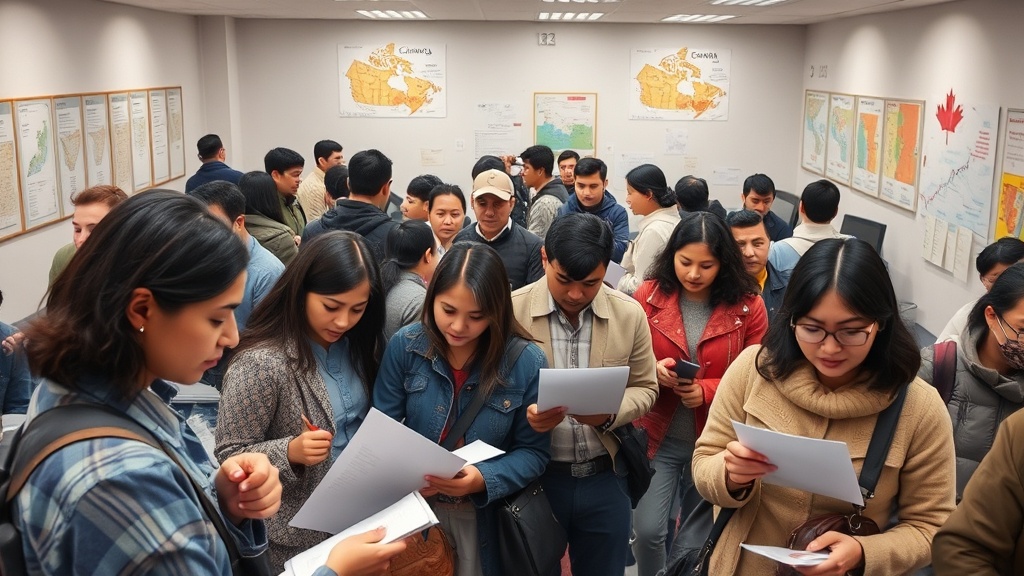
Canada's Record PR Invitations in April 2026: A Diverse Path to Permanent Residency
In April 2026, Canada issued an impressive 28,125 invitations for permanent residency. This pivotal move emphasized integrating candidates already studying or working in Canada, particularly targeting French speakers and those in the Canadian Experience Class. This approach reflects Canada's efforts to meet immigration targets and utilize in-country talent pools.

Navigating Express Entry: Opportunities Beyond French-Speaker Trends
Recent Express Entry draws reveal a declining number of French-speaking candidates, causing lower CRS cut-off scores. This trend could influence the number of invitations for other candidates, necessitating strategic adjustments for non-French-speaking applicants.
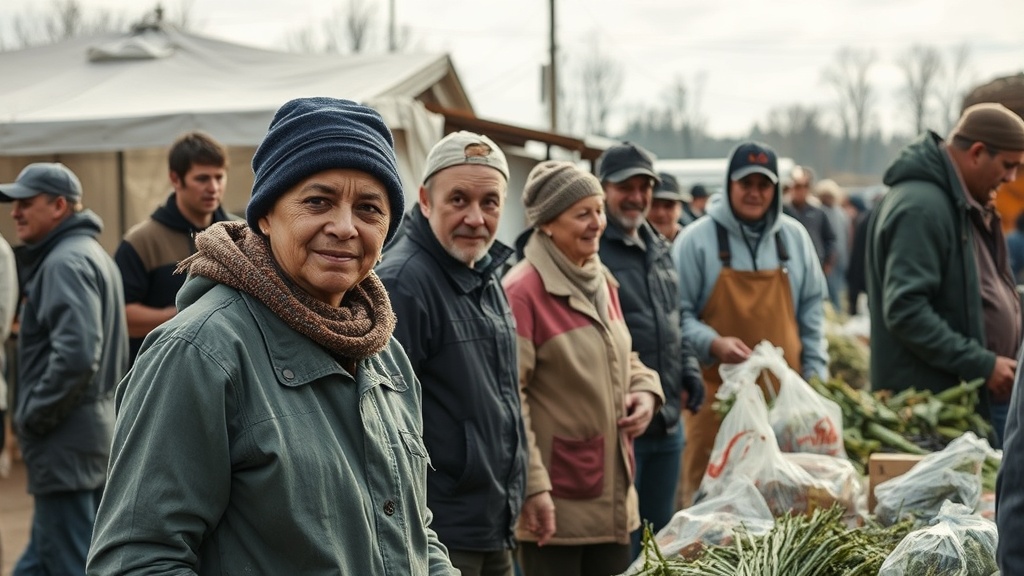
Canada Accelerates TR-to-PR Applications for Workers in Rural Areas
Canada is launching a new TR to PR pathway for eligible workers living in rural areas. This fast-tracks applications, addressing labor shortages in these regions. The initiative is part of a broader goal to reduce temporary residents by 2027.

British Columbia's Immigration Overhaul: Healthcare and Trades Workers Take Priority
On April 23, 2026, British Columbia announced a pivotal restructuring of its Provincial Nominee Program (BCPNP), prioritizing healthcare and trades workers while cancelling planned streams for international graduates. This shift redirects efforts to boost nominations from rural areas and addresses key sector needs.
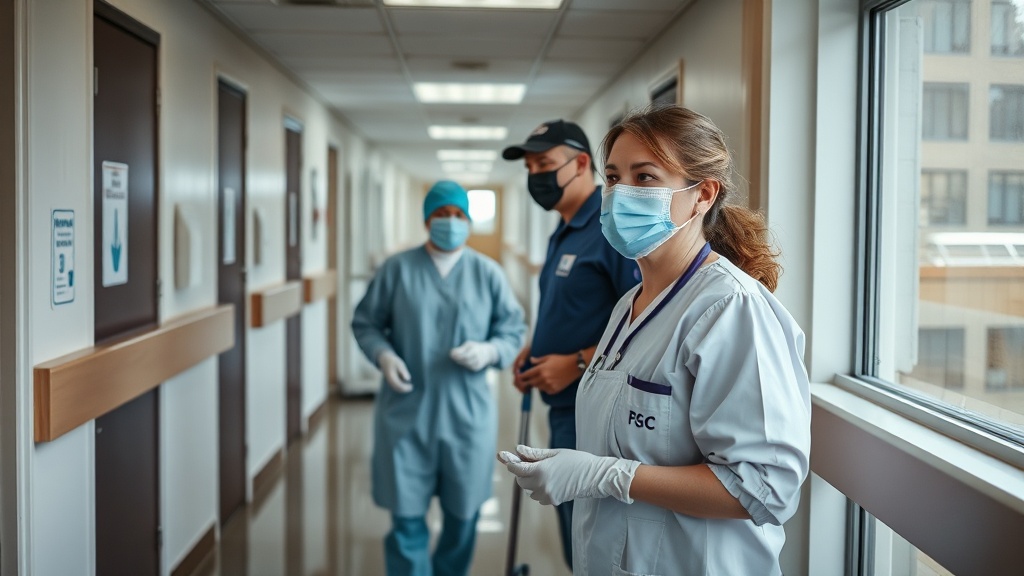
New BC Pathway to PR for Health Support Staff: A Rare Opportunity
BC's Provincial Nominee Program has launched a limited-time initiative that allows health authority cleaners and security staff in rural areas to apply for permanent residence. This initiative, part of the BC PNP's broader "Care" priority, opens June 2026.
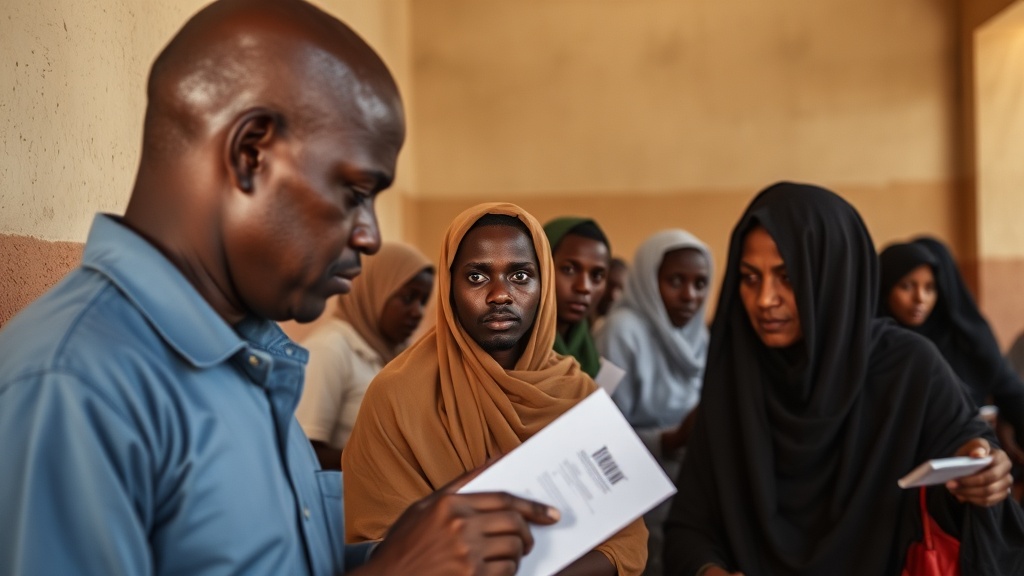
Canada Resumes Biometric Services in Sudan to Aid Immigration Applications
Immigration, Refugees and Citizenship Canada (IRCC) has partnered with the International Organization for Migration (IOM) to restart biometric collection services in Sudan, significantly easing the immigration application process for individuals unable to leave the country. By facilitating biometric submissions within Sudan, this initiative seeks to improve accessibility and expedite processing, particularly for applications under family-based permanent residence and resettlement programs. Appointments are required to ensure efficiency and safety in this resumed service.