Immigration Intelligence.
Master the Canadian immigration process with verified guides, consultant insights, and real-case breakdowns. Exclusively on Verixa.

Canada Advances Adult Passport Renewals with Automation Technology
In an innovative move, the Government of Canada has introduced automation to streamline adult passport renewal applications. The automation technology, serving as an add-on tool, ensures applications are efficiently processed while retaining human oversight for exceptions and rejections. This initiative ensures passport renewals meet service standards even during high demand periods, without replacing the critical role of passport officers.

Ministers Deliberate on Sustainable Immigration Levels in Canada
Federal-Provincial-Territorial Immigration Ministers meet to strategize on maintaining sustainable immigration levels, addressing labor shortages, and enhancing Provincial Nominee Programs for regional economic growth while planning the Immigration Levels Plan for 2027-2029.
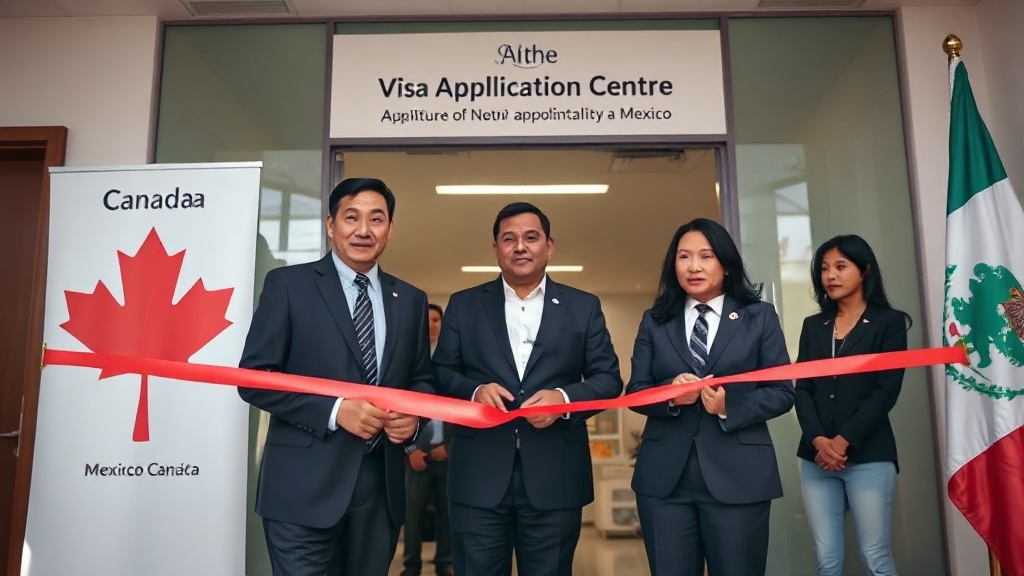
Canada Expands Visa Application Centres in Mexico: Enhancing Biometric Services
Canada is strengthening its immigration services by opening three new Visa Application Centres in Mexico's largest cities—Mexico City, Monterrey, and Guadalajara. These additions aim to make biometric data collection more accessible for Mexican nationals planning to travel to Canada, thus enhancing the convenience and efficiency of the application process while maintaining strong ties between the two countries.

Canada Extends Work and Study Permit Opportunities for Ukrainian Nationals Amid Ongoing Conflict
In response to Russia's ongoing invasion of Ukraine, Canada has extended work and study permit measures for Ukrainians arriving before March 31, 2024. This initiative allows eligible individuals to apply for work permits valid up to three years, highlighting Canada's supportive role amid the crisis.

IRCC Unveils Advanced Analytics to Fast-Track Spousal Sponsorship Applications
The IRCC has announced an expansion of its advanced analytics tools for processing spousal and partner applications under the family class. By automating routine approval steps, the new tools promise faster reunification for families while adhering to privacy and ethics guidelines. This article explores the balance between efficiency gains and ethical oversight.

Key Immigration Changes in Canada June 2026: What You Need to Know
In June 2026, Canada is implementing various crucial immigration changes. These include the expiration of a temporary work permit policy, Ontario and British Columbia launching new immigration frameworks, and Quebec nearing the end of its family sponsorship cap. This article outlines the deadlines, nuanced effects, and procedural steps for applicants and stakeholders.
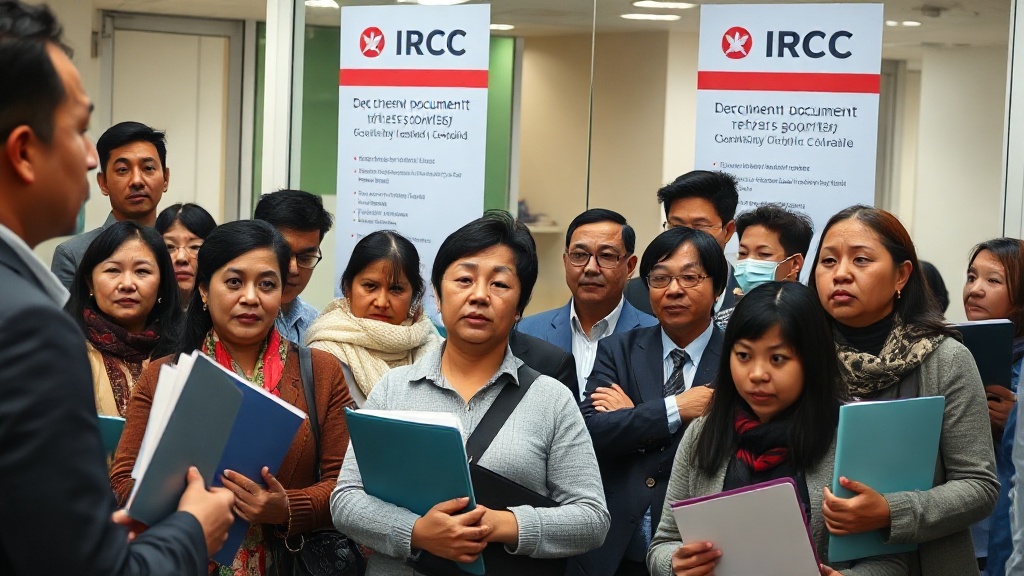
Expired Refugee Protection Claimant Documents: New Changes Beyond April 2025
As of April 1, 2025, expired Refugee Protection Claimant Documents (RPCDs) will no longer be valid. This impacts asylum seekers who need these documents to access essential services. Learn how to apply for renewals using IRCC's updated web form process.

Decline in Enrollment: Impact on Canadian Universities Amid New Visa Caps
With Statistics Canada reporting a decline in international student enrollment comparable to pandemic levels, this article explores how the decrease is influenced by new visa caps. It analyzes the impacts on Canadian public post-secondary institutions, the local economy, and cultural diversity.

Impact of Temporary Pause on Refugee Sponsorship on Canadian Communities
The Canadian government has announced a temporary halt on new refugee sponsorship applications from groups of five and community sponsors to manage application inventory and processing times. This measure, effective from November 29, 2024, to December 31, 2025, aims to ensure predictability in application processing. The decision impacts Canadian communities, sponsors, and associated partners, while promising continued dialogue for program improvements.