Policy moves weekly. Know before you file.
Policy updates, pathway guides and draw analysis for people planning a move to Canada.
 Updates & Policy
2025 Parents and Grandparents Program: Key Changes and Application Process
In 2025, IRCC will invite potential sponsors from the 2020 pool for the Parents and Grandparents Program. This avoids opening new forms and utilizes technology for smoother application processes. Understand how this intake differs, the application steps, and alternatives like the super visa for those not selected.
 Updates & Policy
Update on CIP Codes for Post-Graduation Work Permits in 2025
The article details recent updates to the eligible CIP codes impacting post-graduation work permits (PGWP) in Canada, emphasizing changes made on July 4, 2025. These changes reinstate certain fields of study and address Canada's labor market needs. The adjustments influence international students' eligibility based on their chosen fields, which must align with jobs experiencing long-term shortages.
 Updates & Policy
Diverse and Inclusive: New Selection Process for Canadian Immigration Consultants Board Unveiled
Immigration, Refugees and Citizenship Canada has launched a new selection process designed to diversify and enrich the board of the College of Immigration and Citizenship Consultants. With a focus on diversity, transparency, and merit, this initiative underscores Canada's commitment to maintaining high governance standards while reflecting societal diversity in regulatory bodies. The College, responsible for regulating immigration and citizenship consultants, aims to strengthen the integrity of Canada's immigration consultancy field.
 Updates & Policy
New Strategy for Parents and Grandparents Sponsorship Program in 2025
The IRCC's 2025 Parents and Grandparents (PGP) Program will maintain its random selection method from existing 2020 applicant pools, accepting up to 10,000 applications. This approach comes amid changes in Canada's immigration targets for 2025-2027 and aims to manage processing times and alignment with family class admission targets. Additionally, the super visa presents an alternative for family reunification.
 Updates & Policy
Enhanced Support Measures for Foreign Nationals Facing Human Trafficking and Family Violence in Canada
IRCC introduces significant improvements to support measures for foreign nationals in Canada who are victims of human trafficking and family violence. These changes include extended temporary resident permits and waived fees for work, study, and biometrics, aiding victims in stabilizing their status and lives in Canada.
 Updates & Policy
IRCC Announces 2025 Study Permit Allocation for International Students
Immigration, Refugees, and Citizenship Canada (IRCC) has released the allocation numbers for 2025 under the international student cap. This year's strategy sees a 10% decrease in study permits from the previous cap, aiming to balance educational influx with housing and healthcare capacities. Graduate students are given specific allocations and new exemptions are introduced for exchange students. Detailed analysis of the provincial and territorial allocations sheds light on how this may impact regional educational hubs and rental markets.
 Updates & Policy
New Penalties for Immigration Representatives Breaking the Law: What to Know Before 2025
Immigration, Refugees, and Citizenship Canada (IRCC) is set to implement new regulations in 2025, imposing heavy penalties on paid immigration representatives who violate laws during application processes. These regulations include fines of up to $1.5 million and public disclosures for unauthorized and authorized representatives alike, aiming to deter fraud and strengthen national border security.
 Updates & Policy
IRCC Alters Open Work Permits: Impact on Families of Temporary Residents
The Government of Canada is implementing new rules for open work permits (OWP) for family members of temporary residents starting January 21, 2025. Spouses of certain international students and foreign workers in specified occupations will be eligible, while dependent children are excluded. The article explores the implications on labor market dynamics and family migration.
 Updates & Policy
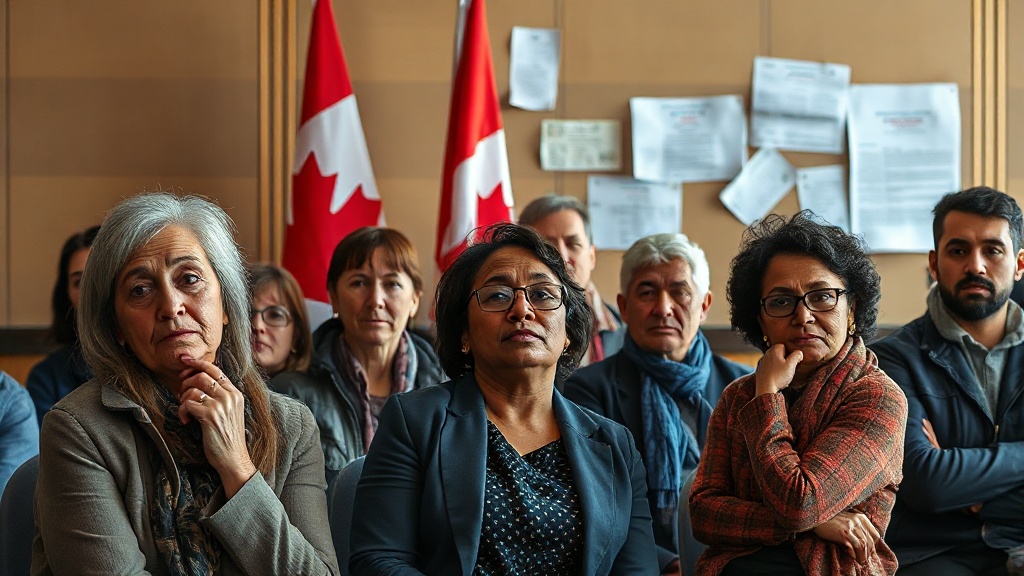
Impact of Temporary Pause on Refugee Sponsorship on Canadian Communities
The Canadian government has announced a temporary halt on new refugee sponsorship applications from groups of five and community sponsors to manage application inventory and processing times. This measure, effective from November 29, 2024, to December 31, 2025, aims to ensure predictability in application processing. The decision impacts Canadian communities, sponsors, and associated partners, while promising continued dialogue for program improvements.