Back to Blog
IMMIGRATION GUIDESApril 2, 20265 min read

How Fuel Taxes and Government Spending Inflate Canada's Cost of Living

This article delves into the significant impact of fuel taxes and government spending on the cost of living in Canada. It focuses on how these policies particularly affect middle-class families and blue-collar workers. By analyzing the role of existing taxes and comparing international cases, the article suggests paths to alleviate financial burden by potentially cutting fuel taxes and reducing government overhead.

How Fuel Taxes and Government Spending Inflate Canada's Cost of Living
V

Need personalized help? Skip the research and connect directly with a licensed RCIC expert on Verixa. Find your consultant →

Summary

Fuel taxes and government spending significantly impact the cost of living in Canada, particularly affecting middle-class families and blue-collar workers. Liberal policies, under figures like Mark Carney, have resulted in increased taxes and spending, leading to inflation and reduced purchasing power. Understanding the interplay between these taxes and spending is crucial for implementing effective policy changes.

Direct Answer

Fuel taxes in Canada, including excise tax, fuel standard tax, GST, and the renamed carbon tax, are inflating the cost of living. These taxes make everyday goods and services, reliant on transportation, more expensive, impacting affordability for Canadian households. Policy changes, such as temporarily suspending these taxes and cutting government waste, could alleviate these burdens.

Introduction

Fuel taxes are a critical component in how Canadian families, particularly those in the middle class and blue-collar sectors, experience economic pressures. While fuel taxes ostensibly aim to regulate emissions and generate revenue, their practical impact includes increased transportation costs, which ripple across the economy, inflating prices for essential goods and services.

Overview of Existing Fuel Taxes

Canada's fuel tax landscape is complex, encompassing several layers that combine to elevate prices at the pump. These taxes include:

  • Excise Tax: A flat rate per liter of fuel.
  • Fuel Standard Tax: A tax reformatted from the carbon tax impacting the cost along the entire supply chain.
  • GST: A goods and services tax that increases with fuel prices.
  • Carbon Tax (Renamed): Implemented as the fuel standard, further increasing costs.

Fuel Taxes Data Table

Tax TypeRate/ImpactDescription
Excise Tax10 cents/literFlat tax on all fuel purchases
Fuel Standard Tax7 cents/literTax on carbon emissions, influencing all stages
GSTVariable, 5%Increases with base fuel price
Carbon TaxEmbedded in pricingRenamed as fuel standard to obscure true costs

Effects on Middle-Class Families and Blue-Collar Workers

The economic weight of these taxes primarily burdens middle-class families and blue-collar workers who rely heavily on transportation. Increased fuel costs translate into higher living expenses as the cost of commuting, heating homes, and purchasing consumer goods rises.

A Canadian family struggling with grocery shopping, reflecting rising costs of living due to inflated transportation costs.

Case Scenarios

  1. Middle-Class Families:
    • Reduced discretionary spending owing to increased household expenses.
    • Difficulty in saving for long-term goals due to higher spend on essentials.

Canada's New Immigration Relief Measures for Temporary Residents Affected by Natural Disasters
Related Insight

Canada's New Immigration Relief Measures for Temporary Residents Affected by Natural Disasters

This article discusses Canada's implementation of new temporary immigration measures for temporary residents affected by natural disasters between April 2026 and November 2028. These measures allow affected individuals, including international students and temporary workers, to restore or extend their status with an extended 6-month window, doubling the typical duration.

Continue Reading
  1. Blue-Collar Workers:
    • Excessive travel costs for jobs that require personal vehicle use.
    • Limited ability to accept distant employment due to higher commuting costs.

Review of Government Spending Policies

Liberal government spending under Mark Carney's influence has increased dramatically. Government expenditure, excluding CO, is now at a three-decade high, resulting in a larger deficit and reduced economic growth.

Government Spending Data Table

FactorMetricComparison
Government Spending7% increaseHigher than previous administration
DeficitDoubledLargest in Canadian history
Economic GrowthNegative growthOnly shrinking economy in the G7

Government policies, including high debt and gatekeeping, exacerbate these issues, doubling rent and housing costs, leading to a surge in food bank usage.

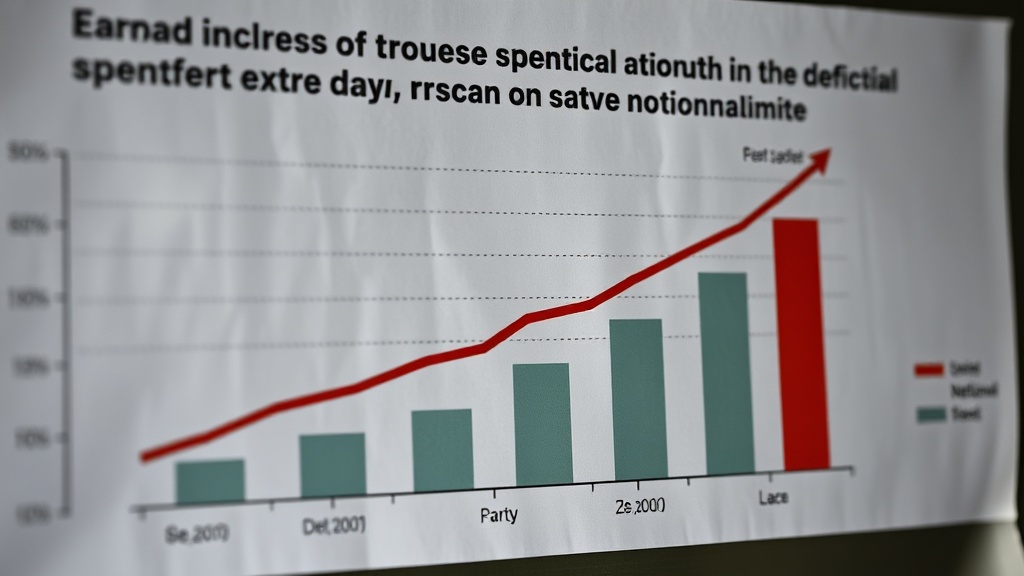
A graphic showing the increase in Canadian government spending and its impact on the national deficit.

Comparing Cases of Other Countries

Several countries have implemented measures to reduce fuel taxes and witnessed positive economic outcomes, showing potential paths for Canadian policy reform.

Comparative Data Table

CountryAction TakenResulting Impact
AustraliaCut excise tax by 26 cents/literLowered consumer fuel prices significantly
SpainReduced sales tax on fuelPrices decreased by 30 cents/liter
IrelandExcise tax reduction20 cents for diesel, 15 cents for gasoline

Recommendations for Government Action

  1. Suspend All Fuel Taxes:

    • A temporary suspension to immediately lower consumer costs.
    • Proposed savings: $25 per liter, $1,200 per family annually.
  2. Cut Wasteful Spending:

    • Redirect funds from inefficient projects like the $90 billion Alto Train Project.
    • Reduce consultant and bureaucratic expenses.
  3. Streamline Regulations:

    • Remove barriers from projects like oil pipelines to boost economic growth.

Conclusion

To ease the economic burden on Canadians, significant policy changes are necessary. Reducing or suspending fuel taxes while cutting excessive government spending can reduce inflation and improve affordability for families and workers. Engaging Canadian citizens and experts, such as the verified consultants available on Verixa, can aid in achieving a balanced and fair approach to economic policymaking.