Direct Answer: Canadian ministers underscored the crucial economic role of rural, remote, and Indigenous communities at a recent meeting in Prince Edward Island. They jointly addressed workforce and infrastructure challenges, aiming to foster sustainable economic growth across these regions.
Rural Development Meeting in Prince Edward Island
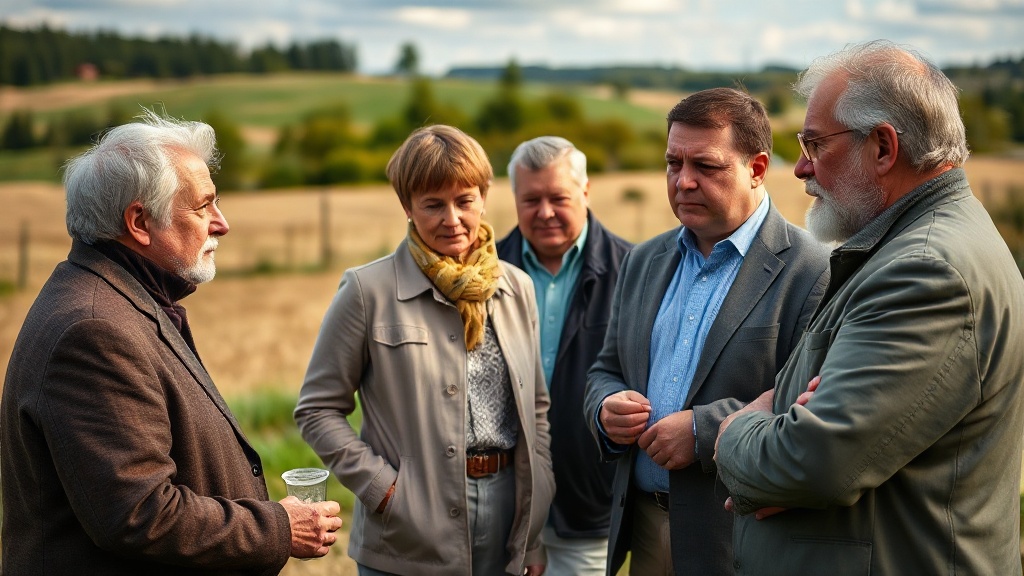
Federal, provincial, and territorial ministers converged in Morell, Prince Edward Island, focusing on strengthening collaboration to boost rural development. The gathering was co-chaired by the Honourable Buckley Belanger, Secretary of State for Rural Development, and the Honourable Ernie Hudson, Prince Edward Island’s Minister responsible for Fisheries and Rural Development. Over the course of three days, these leaders shared insights from diverse communities, recognizing both the foundational contribution of these areas to Canada’s GDP and their unique needs.
Economic Impact and Opportunities
Rural communities are pivotal, supporting 27% of Canada's GDP while comprising only 13% of the population. This underscores their strong economic potential. Key sectors such as agriculture, natural resources, and tourism thrive within these regions.
Key Contributions of Rural Communities:
| Population Segment | Contribution to GDP | Key Sectors |
|---|
| Rural Communities | 27% | Agriculture, Aquaculture, Tourism |
| Indigenous Communities | Significant | Natural Resources, Cultural Heritage |
| Remote Areas | Growing Influence | Small Business Development |
The meeting highlighted persistent issues, including skilled labor shortages and infrastructure gaps. The geographic remoteness poses unique transportation challenges. Recognizing these, the ministers discussed a forthcoming Rural Development Action Plan designed to enhance policy alignment and foster resilience. This plan, anticipated later in 2026, aims to integrate federal policies with the realities of rural, remote, and northern environments.
Verixa Intelligence Analysis:
Strategic Opportunities:
The focus on workforce retention and infrastructure development is timely, as rural and remote areas continue to grow as economic engines. Improving synergy between federal and local policies is essential for unlocking potential growth. The plate offers immense investment opportunities, especially in sustainable agricultural practices and tourism development.
Challenges:
Addressing the specific needs of each community while ensuring equal development opportunities is complex. The geographical remoteness adds layers of difficulty to infrastructure and transportation improvements. Therefore, any developmental plans must include tailored approaches to overcome these hurdles effectively.
Note: This analysis is for strategic guidance and does not constitute legal advice.
Ministers reaffirmed their dedication to building vibrant communities through collaboration. The insights gained and initiatives planned during the meeting are expected to impact Canada positively.
“Canada’s rural, remote and northern communities play a significant role in our country’s prosperity. Keeping rural perspectives central will unlock their full potential,” stated Secretary of State Buckley Belanger.
Ernie Hudson, emphasizing the local impact, noted, “The collaboration strengthens our response to common challenges and lays the groundwork for a resilient future.”
For a more personalized consultation on this topic, consider booking a session with an RCIC through Verixa.
This intelligence briefing was automatically generated. The original press release was published on 2026-06-05 by CANADA news room and can be verified here.