
Back to Blog
UPDATES POLICYJuly 16, 20264 min read

Navigating the Canada Startup Visa: Understanding the Current Application Backlog and Processing Delays

This article delves into the complexities surrounding the current backlog of the Canada Startup Visa applications. With over 28,000 unpromoted applications, it explores the impact of COVID-19-related disruptions, policy changes, and organizational challenges on processing times. Entrepreneurs waiting for their PR under the SUV program will gain insights into the reasons for delays and strategies to manage them effectively.

Navigating the Canada Startup Visa: Understanding the Current Application Backlog and Processing Delays
V

Need personalized help? Skip the research and connect directly with a licensed RCIC expert on Verixa. Find your consultant →

Summary

The Canada Startup Visa (SUV) program is essential for fostering entrepreneurial talent by granting Permanent Residency (PR) to job creators. However, the current backlog with over 28,000 unpromoted SUV applications poses significant challenges to prospective immigrants. This article explores the ramifications of processing delays and the complex factors causing the backlog, including COVID-19 disruptions, policy shifts, and operational limitations.

Direct Answer

Recent delays in the Canada Startup Visa process are primarily due to:

  • Pre and post-COVID procedural changes.
  • Focus on resource allocation and departmental priorities.
  • Changes in internal policies influencing application processing.
  • An existing surplus of ready applications, negating the need for immediate promotion of new applications.
  • Shift towards priority processing criteria introduced with new Ministerial Instructions (MIs).

Introduction: The Canada Startup Visa Program

The Canada Startup Visa program aims to attract innovative entrepreneurs who can launch businesses within Canada, driving economic growth and job creation. Successful applicants gain PR status, enabling them and their families to reside in Canada. Given its potential, the SUV program draws significant global interest, but many are currently caught in processing delays.

Understanding the Current Backlog

Pre-COVID Application Processing and FIFO Strategy

Before the pandemic:

  • Applications were processed on a First In, First Out (FIFO) basis.
  • Completeness checks were swift, ensuring rapid promotion to processing offices.

Impact of COVID-19

Pandemic brought changes:

  • Office closures in 2020 halted paper application reviews.
  • Remote working and seating limitations upon reopening created backlogs.
  • In-Canada applications were prioritized, sidelining some international applicants.

Policy Changes Impacting SUV Applications

New Internal Directives

  • In 2021, the prioritization focus shifted, and certain applications, including SUV, were deprioritized.
  • By 2023, a grouping approach was required for entrepreneurial team applications, conflicting with FIFO.

Introduction of New MIs

Extended Pause on Refugee Sponsorship Applications for Groups of Five and Community Sponsors Until 2026
Related Insight

Extended Pause on Refugee Sponsorship Applications for Groups of Five and Community Sponsors Until 2026

The Canadian government has extended the pause on accepting new refugee sponsorship applications from groups of five and community sponsors, lasting until December 31, 2026. This decision aims to manage the existing backlog of applications and streamline the Private Sponsorship of Refugees (PSR) program. Despite the pause, Canada continues its efforts to admit refugees in accordance with the 2026–2028 Immigration Levels Plan, assuring progress in the sponsorship community.

Continue Reading
  • April 2024: New MIs introduced priority processing criteria, moving away from FIFO and delaying older applications.
  • Applications are processed based on priority criteria rather than arrival time.

Challenges Faced by IRCC

Resource Allocation Issues

The IRCC faces ongoing resource allocation battles:

  • 2025 saw a reduction in intake resources due to budget cuts.
  • Lack of capacity means some applications remain unaddressed.

Intake Challenges

Persistent intake challenges have been exacerbated by:

  • Overwhelming 28,000+ unpromoted SUV applications.
  • Strategic allocation focuses on areas with imminent processing needs.

Strategies for Aspiring Applicants

  • Familiarize yourself with the current priority criteria under the new MIs.
  • Enhance application completeness and timeliness.
  • Monitor IRCC updates and adapt strategies accordingly.

Improving Application Effectiveness

  • Engage with licensed RCICs for tailored guidance.
  • Prepare comprehensive and robust business proposals.
  • Ensure alignment with departmental priorities for higher chances of processing.

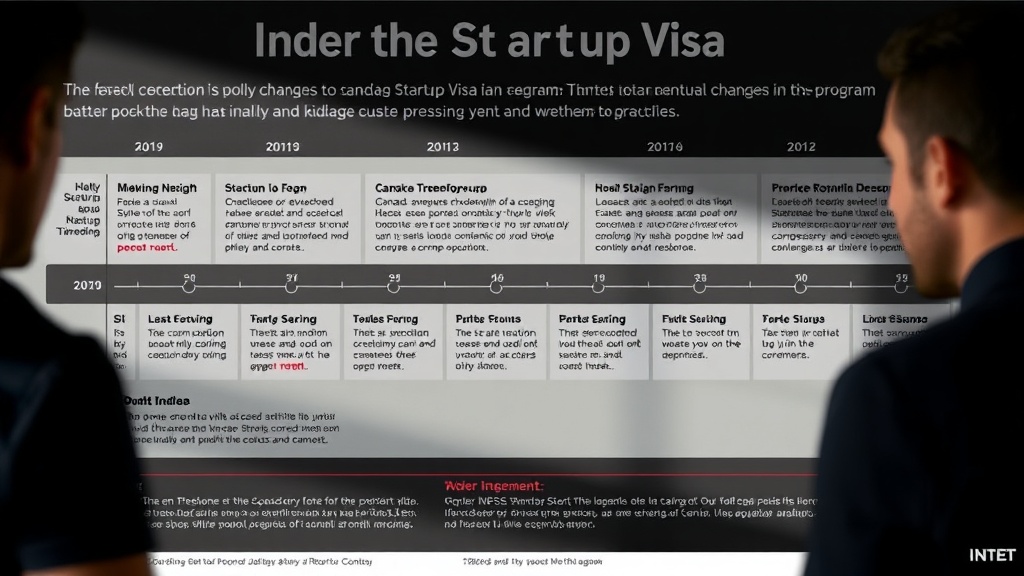
A detailed infographic illustrating the timeline of policy changes and processing shifts in the Canada Startup Visa program, highlighting key dates and decisions.

Conclusion

The complexities layering the SUV application process require strategic patience and timely action from applicants. As policies evolve, leveraging professional immigration consultancy services, like those offered by Verixa, can increase application success rates. Understanding the continuous shifts helps in aligning with departmental priorities and navigating future changes.

Call-To-Action

Aspiring entrepreneurs seeking to navigate the intricate SUV application landscape should connect with trusted Registered Canadian Immigration Consultants (RCICs) through Verixa. Gain insights and strategic advice for enhancing your SUV application prospects.